Kooora.com | Loai Mohamed
Sep 30, 2026 · 06:01 +08:00
Translated by Bisero
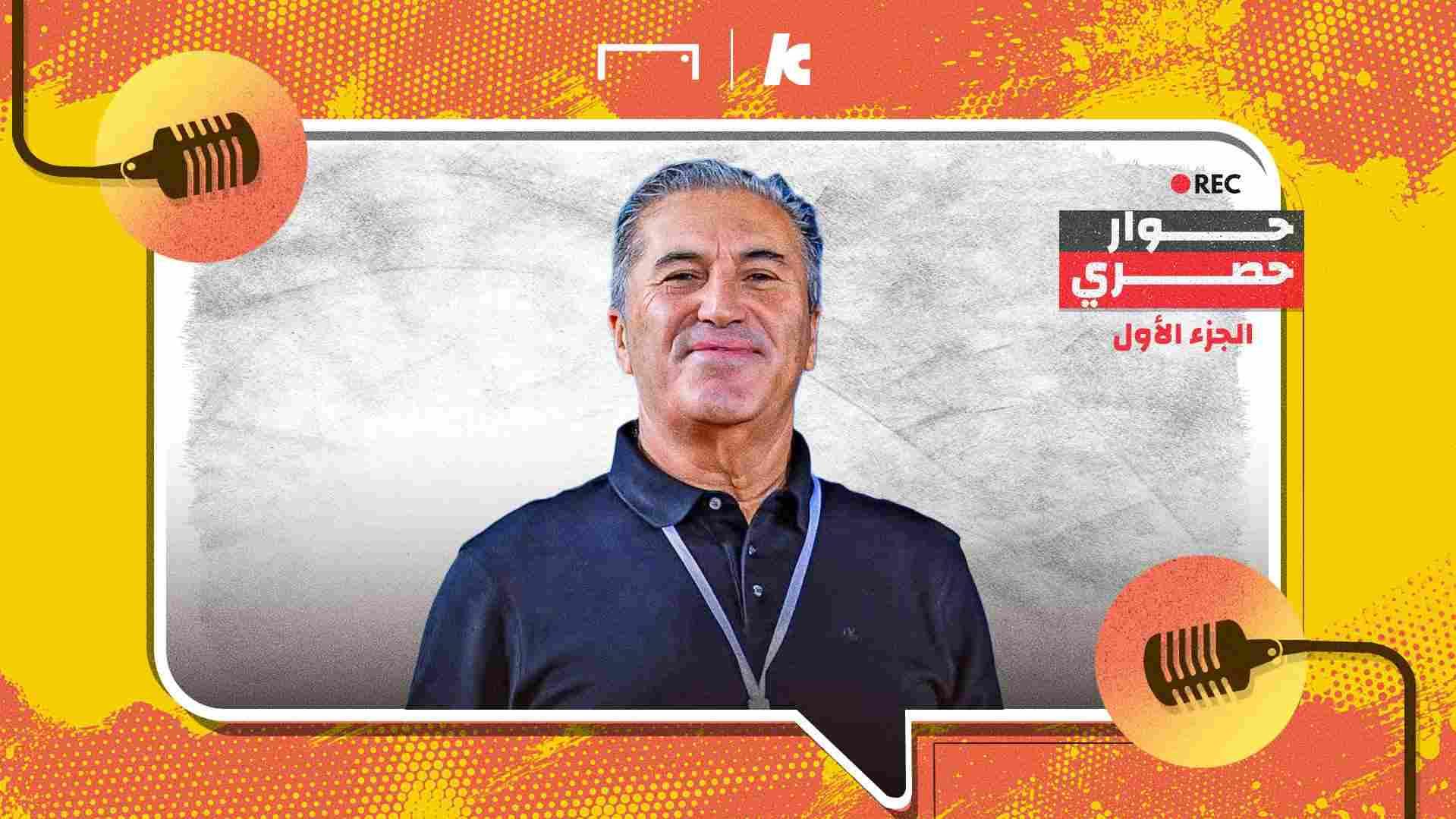
In an interview with Kooora (1/2):
This is the real difference between Al-Ahly and Zamalek, and one reason behind the decline in Zizo's level
Exclusive · J. Peseiro · Al Ahly SC · Zamalek SC · Al Ula · Zizo · Portugal · Egypt · Saudi Arabia
- "I would have achieved great success had I stayed with Al Ahly, and I felt disappointed after my departure from Zamalek."
- "This is why the Reds dominate and the Whites struggle in the CAF Champions League."
- "The 'balancing acts' wore me out at Zamalek, and Zizo's departure affected my spell with the club."
- "I was denied the Roshn League by an 'unfair decision', and just wait for Al-Ula among Saudi Arabia's big clubs."
Portugal's José Peseiro has coached all over Europe, Africa and Asia. Yet he keeps a special bond with Egyptian and Saudi football, having worked with clubs and national teams in both countries more than once. He is now back on the Saudi scene through Al-Ula, whom he coaches in the First Division. Promotion to the Roshn Pro League tops his list of priorities, followed by turning the team into one of the big clubs chasing the title in the near future.
Two short spells with the two giants of Egyptian football sit on his CV. He led Al Ahly between October 2015 and January 2016, when he asked to leave and take charge of Portugal's Porto. Roughly a decade later he returned to the Egyptian league, coaching Zamalek between February and May 2025 in a spell packed with drama despite its brevity.
Between those two experiences, the Portuguese moved through a string of prominent jobs. Porto, Sporting Lisbon and Braga all feature in his native Portugal, and he also took charge of Nigeria, guiding them to the final of the 2023 Africa Cup of Nations.
In the first part of his interview with Kooora, Peseiro discusses his time with Al Ahly and Zamalek, revealing the difference he noticed between the two clubs at institutional and internal level. He also digs into what he believes explains the gap in the two teams' results in the CAF Champions League over the years, and describes the circumstances of his work at Zamalek and the decisions that forced him into what he called the "balancing acts" inside the club. The Portuguese also touches on Ahmed Sayed "Zizo" moving from Zamalek to Al Ahly, and how it hit his side during that period.
Here is the text of the interview:
Al-Ula has a clear project, but new projects often come under pressure to deliver quick results. How do you balance building a team for the future with meeting the demands for immediate success?
Modern football leaves no room for patience, least of all in Saudi Arabia. Results are everything. At Al-Ula, the project is ambitious and stretches beyond the pitch to take in culture and organisation. Striking that balance comes down to how well we organise and how efficiently we run things.
We came within touching distance of promotion to the Saudi Pro League last season. On the pitch, we picked up the points we needed to go up. Then came a three-point administrative deduction, a ruling we found deeply unjust. Given our management structure, our organisation and the quality of players in this squad, we are completely confident of winning the title this season.
Do you think that Al-Ula could become in the future one of the clubs competing for the Saudi Pro League title?
Without a doubt. That is precisely the reason I accepted the challenge of coaching in the Saudi First Division League. Al-Ula are being built to be a success story. We don't want to be a team that promises plenty then vanishes. We want stability. The road demands patience, but the organisation I see here is first-class.
If you were given an unlimited budget and the freedom to sign just one player to be the face of the Al-Ula project, who would you choose?
I'm delighted with the players in my squad. Our choices are made. And from that moment on, our players are the best.
ENJOYED THIS STORY? Add GOAL.com as a preferred source on Google to see more of our reporting.
Add as preferred source on Google
We move on to Egypt. As one of the few coaches who has managed both Al-Ahly and Zamalek, what is the real difference between the two clubs behind the scenes, away from the image the fans know?
Al-Ahly runs on institutional stability and a crystal-clear decision-making structure. That makes for smoother operations. Zamalek is a different animal, a club driven by immense emotion and passion, and that creates a far more volatile environment. Two different forces, then: one built on methodology, the other on the emotional involvement of its supporters. Coaching the two biggest clubs in Africa was an honour for me.
Do you feel that your experiences with Al-Ahly and Zamalek were not given enough time to be judged fairly, and were there circumstances that made both projects more difficult than you had expected?
I've said it more than once: I should never have left Al-Ahly when Porto called and asked me to become their coach. Success would have followed, of that I have no doubt, because we had a wonderful team. In my opinion, the best in Africa at the time.
Several circumstances hampered my work at Zamalek. Even so, I led the team to the Egypt Cup final, which they went on to win. It hurt that I wasn't the one in the dugout for that final.
In your view, why has Zamalek generally struggled in the CAF Champions League, while their rivals Al-Ahly have dominated the competition for years?
The answer lies in continuity. Winning at continental level demands a structure that protects the coach's work and keeps the squad's core intact. Al-Ahly have found that stability more effectively.
If you received a new offer from Al Ahly or Zamalek, could you return?
I'm part of a huge project. It's a big challenge that excites, motivates and inspires me. I don't think about my future, I just focus on my daily work with Al-Ula.
What is the most difficult decision you made during your time at Zamalek, one whose reasons the fans never fully came to know?
Most of the toughest calls come down to managing the balance within the dressing room and shielding the group from outside noise. A coach has to stay true to his tactical and disciplinary principles, even when that isn't the popular choice in the short term.
I was the last coach to work with Zizo at Zamalek before his move to Al Ahly. Do you think he made a mistake by moving, and why has his level declined?
Moving between the two biggest rivals in a country like Egypt piles on enormous psychological pressure. Zizo is a professional and hugely distinguished player, but sporting performance is fundamentally tied to a player's psychological state. Lose that stability and it eventually shows on the pitch.
Losing Zizo when it happened, on the eve of the Stellenbosch match in the Confederation Cup quarter-final, had a decisive impact on the result of that game, and on my career with Zamalek.