Getty/GOAL Oct 19, 2026 05:40+08:00
Translated by
Translated by
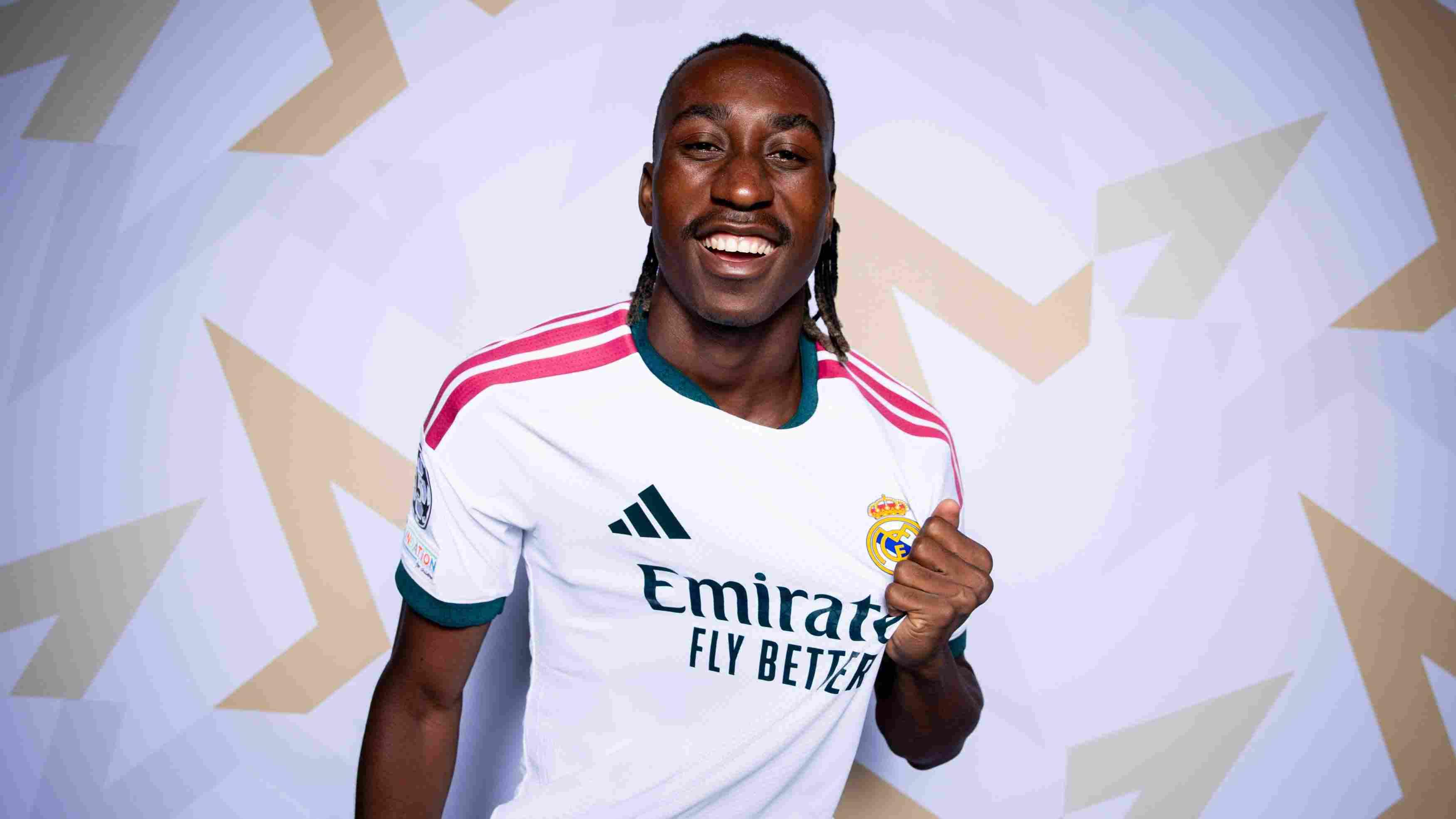
Vinicius was absent so Diomande shone: and the fun returned to Real Madrid before the Clasico
Originals | Analysis | Real Madrid vs Sevilla
Real Madrid · Sevilla · LaLiga · Y. Diomande · Vinicius Junior · J. Mourinho · A. Guler · Barcelona vs Real Madrid · Barcelona · Spain · Côte d'Ivoire · Brazil · Portugal · Türkiye
A flash in the pan or genuine progress: the Clasico is the perfect test for Mourinho's formula
Real Madrid got the job done, seeing off Sevilla 4-1 on Sunday evening at the Santiago Bernabeu in the ninth round of the Spanish league. The win keeps them six points behind Barcelona ahead of next week's eagerly awaited Clasico at the Camp Nou, where the Royal Club will try to derail a Blaugrana side that has taken maximum points from the first nine rounds of La Liga.
The result told only part of the story. Jose Mourinho's men turned in one of their most convincing performances at both ends of the pitch, and they did it without the suspended Vinicius Junior. Ivorian Yan Diomande was the standout, taking his chance in emphatic fashion and raising questions about where the Brazilian fits into his coach's plans over the coming weeks.
Third in the table on 21 points, Real sit a single point behind Atletico Madrid in second, with Barcelona out in front on a perfect 27. That only sharpens the Clasico. The Royal Club need to close the gap and keep the pressure on Barca, while the leaders want to push it out to nine points and pull clear early.
AFP
Diomande's brilliance overshadows Vinicius's suspension
Vinicius Junior's four-match suspension, following his sending off against Villarreal, handed Yan Diomande a valuable opportunity to feature in his preferred position on the left wing, after he had occupied various roles on the right side during some previous matches without consistently delivering the attacking impact expected of him.
Sevilla was a different story. Diomande tore into them, pace and dribbling and sharp movement into space, and he finished the night as one of Real Madrid's standout performers. He has the tools to fight for a starting spot.
The Ivorian winger set up the opener, laying the ball off to Arda Guler, who thumped a powerful strike into the net. Madrid had the lead and the platform to take control.
His influence did not stop there. Diomande had a hand in the second, slipping a quick pass to Jude Bellingham, who backheeled it to Kylian Mbappe to finish. The third came from the penalty spot after Mbappe was tripped following a through ball from the Ivorian. Best of all was the fourth. Diomande spotted the space in front of him, took aim and crashed a rocket into the net, the reward for everything he had put in across the 90 minutes.
Defensively, he was just as diligent. Diomande dropped back into Real Madrid's half time and again, intercepting balls and closing down space for Sevilla's players. He also became a constant outlet for playing out from the back in the second half, with his team-mates keen to pass to him in order to make use of his pace and his ability to advance towards the opposition goal.
That is why this performance mattered. Diomande did not merely cover for Vinicius in attack, he gave Mourinho a left winger capable of doing the lot: creating chances, threatening the goal himself and grafting without the ball. Competition for that shirt just got a lot fiercer.
Getty Images Sport
Vinicius under pressure: is he set to lose his starting place?
The criticism directed at Vinicius Junior this season was not the product of a single match. The Brazilian has faced growing questions about the decline in his attacking impact, after falling short in several games of the level Real Madrid's fans had grown used to seeing from him. Squandered easy chances told the story, along with poor decision-making in the final third and a failure to make the most of certain one-on-one situations that had been among his greatest strengths in previous seasons.
His impact became less obvious in a number of matches, given the technical ability, pace and dribbling capacity he possesses. Most controversial of all were his defensive duties. Critics pointed to Vinicius not consistently tracking back to support his team-mates, which left spaces behind him and placed the left-back under pressure from opponents, particularly when the opposition moved the ball quickly.
Diomande offered a different model against Sevilla. He combined attacking bursts with tracking back to help close down spaces, gave the side greater balance on the left flank and underlined that a winger's performance does not stop at dribbling and creating goals, but extends to carrying out the tactical duties required of him.
One match is not enough to pass judgement on Vinicius's future or to diminish his value, given the experience and ability he possesses. But Diomande's impressive display in his absence may open up debate within Real Madrid about whether the Ivorian deserves a bigger role, even after his suspension comes to an end.
With the Clasico approaching, the importance of this competition only grows. Diomande will have the chance to prove he can perform in the big matches. Should he produce a strong display against Barcelona, Mourinho may find himself facing a difficult decision over how to share out the attacking roles, especially if Vinicius remains some way off his best.
A suspension that initially looked like a blow for the Spanish giants has turned into an opportunity to test a new alternative, and perhaps to discover a tactical solution that gives the coach extra options during one of the most important periods of the season.
Getty Images Sport
Mourinho restores the balance: the enjoyment begins at the back
Diomande's brilliance was not the only reason behind Real Madrid's more convincing display against Sevilla. Mourinho's tactical choices mattered just as much, restoring the balance between the lines by pushing Diomande and Endrick onto the flanks with clear defensive duties to go with their attacking work.
In possession, Real Madrid lined up in a 4-2-3-1. Lose the ball and it became a 4-4-2, Jude Bellingham and Kylian Mbappe stepping up to press the Sevilla defenders while Diomande and Endrick dropped into the flanks to shut the spaces and stop the hosts advancing easily. Aurelien Tchouameni did the dirty work in front of the defensive line. Guler helped build play and shift the ball into the final third, and the team found a better balance between possession, pressing and winning it back.
That organisation closed off the spaces opponents had grown used to exploiting against Real Madrid in some previous matches. No longer did the side lean solely on individual quality in attack. They looked far more cohesive out of possession, with collective movements that squeezed the room available to Sevilla. Two wingers willing to track back also handed the full-backs greater support and cut the number of occasions when the back line was left facing opposition players without cover.
It showed in Real Madrid's control of important spells. Sevilla did get their goal. Even so, Real Madrid looked more balanced collectively and imposed themselves on the course of the game, settling it with four goals that confirmed their ability to exploit space and reach the opposition goal in more than one way.
The lesson for Mourinho is a simple one. A stable defensive system matters no less than having players who can win matches in attack, and giving the wingers clear responsibilities when the ball is lost can ease the pressure on the back line without sacrificing speed or the ability to switch into attack.
ENJOYED THIS STORY? Add GOAL.com as a preferred source on Google to see more of our reporting. Follow GOAL on Google.
Getty Images Sport
A successful bet ahead of the Clasico
One decision deserves a closer look. Mourinho keeps picking Federico Valverde at right back, even though the player has made no secret of his reservations about the job and insisted he would rather not play in the back line. Real Madrid have alternatives sitting on the bench too, chief among them Trent Alexander-Arnold and Denzel Dumfries.
The gamble, it seems, rests on Valverde's ability to strike the balance Mourinho wants between attack and defence. His physical strength, pace and capacity to cover ground let him meet the demands of the role in a way no orthodox full back could. On the pitch, the Uruguayan pushed high up the right flank and got involved in the build-up. He also kept his defensive discipline, and saved his side with a block on a close-range shot inside the six-yard box. Performances like that hand Mourinho more ammunition to stick with his choice.
Valverde switches between roles in an instant, joins the press, wins the ball back, then supports the attack whenever space opens up in front of him. There's another reading, though. The coach may simply have weighed up the strengths and weaknesses of his options and concluded that Valverde gives him more in both boxes than Alexander-Arnold or Dumfries would, depending on the shape of the game and the duties the right back is handed.
Beating Sevilla with the plan is one thing. Keeping it for the Clasico is another, and Mourinho will have to weigh up what his side needs against a Barcelona attack built on different qualities, one that could ask far tougher questions down that right side. So the big question hangs there: does Mourinho trust Valverde in that role against Barcelona, or does he hand Alexander-Arnold or Dumfries the shirt and push the Uruguayan back into midfield, where he can dictate the tempo?
Alterphotos
Güler's controversial moment: a turning point
Real Madrid played well, but the match wasn't free of refereeing controversy. One attack produced a contentious incident involving Arda Guler, with Sevilla's players demanding disciplinary action over an elbow on Peque Fernandez. Guler opened the scoring just a few minutes later, which raised questions over whether the referee should have acted more firmly. No red card followed, and Real Madrid finished the game with a full complement of players.
That moment matters when you read the rest of the match. The first goal handed the Royal side an important advantage and let them settle with greater confidence, before they added a second and then stretched the margin in the second half.
Nobody can say for certain that a Guler dismissal would have changed the result. But a numerical disadvantage would have handed Real Madrid a different tactical problem, perhaps forcing Mourinho to tweak his plan and redistribute roles, which in turn would have altered the shape of the game and the spaces within it.
Refereeing controversy aside, the match confirmed Guler's importance in midfield. He can control the tempo, spray passes out to the flanks and link the lines, while also exploiting the spaces in front of the penalty area and shooting from outside it. Playing him centrally appears to give him a greater chance to influence proceedings than using him on the wing. From there he can join in building attacks and switch the direction of play, as well as supporting Bellingham and Mbappe with passes that break the opposition's lines.
Getting the most out of Guler may therefore become one of Mourinho's keys in the coming period. The team needs a player capable of linking midfield and attack, and of offering solutions against compact defences, without losing sight of defensive balance.
El Clasico a real test of Real Madrid's gains
Real Madrid took more than three points from Sevilla. The win handed them fresh attacking options, proved Vinicius's absence need not blunt their threat, and underlined how much defensive discipline lifts the collective.
Diomande walked away as the night's biggest winner. He grabbed his chance and produced a complete display on the left flank. Valverde, meanwhile, strengthened his case to stay at right-back, and Guler showed exactly how much he matters to the build-up and the creation of chances.